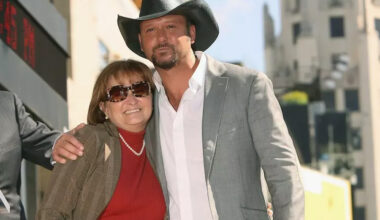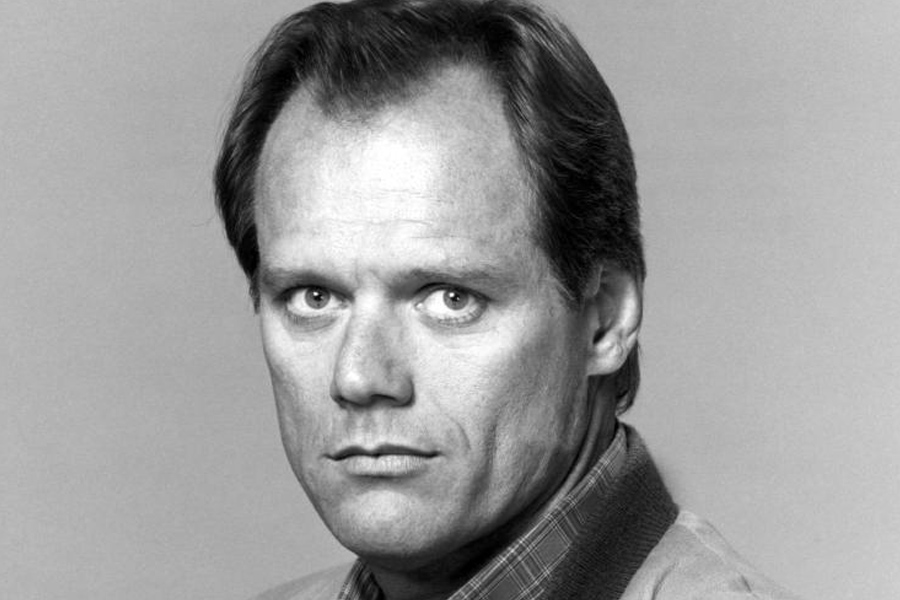
| Basic Information | Details |
|---|---|
| Full name | John Frederick Dryer |
| Known as | Fred Dryer Hunter |
| Birth date | July 6, 1946 |
| Birthplace | Hawthorne, California, USA |
| Parents | Charles F. Dryer and Genevieve Nell Clark Dryer |
| Spouse | Tracy Vaccaro |
| Child | Caitlin Nell Dryer |
| Professions | Football player, actor, producer, broadcaster |
| Best known for | NFL defensive end and star of Hunter |
| Notable recognition | College Football Hall of Fame inductee |
| Estimated net worth | About 12 million dollars |
A Life That Moved from the Gridiron to the Spotlight
A rare public personality, Fred Dryer Hunter could roar past a football line one decade and command a television screen the next. He was born in Hawthorne, California, on July 6, 1946, and raised in Southern California with discipline, size, speed, and timing. They made him a football powerhouse and gave him acting presence. His sports and entertainment influences make him memorable.
Dryer’s journey was deliberate. It was built like a stadium, beam by beam. After Lawndale High School, he played for El Camino Junior College and SDSU. He was a well-known player by college football. He became a long, fast defensive end at San Diego State who affects the air surrounding a play before the ball is snapped.
From Charles F. Dryer and Genevieve Nell Clark Dryer
Fred Dryer’s family begins with his parents, Charles F. Dryer and Genevieve Nell Clark Dryer. Their names matter because every life story starts somewhere solid, and for Fred, that foundation was family. I do not see much public detail about their private lives, but their place in his biography is important. They raised a son who would later become a household name, and that alone tells me their household likely shaped the focus and determination that followed him through adulthood.
His surname carried into the public world like a banner, but his family roots stayed mostly private. That contrast is part of the appeal. The man became famous, yet the family behind him remained grounded and largely out of the glare. In many celebrity stories, the family becomes a loud echo. Here, it feels more like a steady heartbeat.
Tracy Vaccaro and the Personal Chapter That Drew Public Attention
Fred Dryer’s spouse was Tracy Vaccaro, an actress and model. Their marriage began in May 1983 and ended in 1988. That five year span sits at a fascinating point in Dryer’s life, because it overlaps with the period when his fame was shifting from football toward television. In that sense, his personal life and professional life moved through the same doorway at nearly the same time.
Tracy Vaccaro is more than a footnote in his story. She was part of the public image surrounding Dryer during the years when he was becoming a mainstream entertainment figure. She also appears in the entertainment memory of the era as a model and actress with her own identity. Their relationship brought together two visible worlds, and the result was a period of heightened attention. I think of it like two bright lights crossing beams on a stage, each one sharpening the other’s outline.
Caitlin Nell Dryer and the Next Generation
Fred Dryer’s child is Caitlin Nell Dryer. She is his daughter, and she represents the family line that continues beyond the spotlight of his own career. Public references identify her as the child of Fred Dryer and Tracy Vaccaro, and some later reports describe her as married to Jason Padgett with children of her own. That makes Fred not only a father, but also part of a wider family branch that has grown into the next generation.
Family details about Caitlin are more private than Fred’s career record, but even the public pieces are enough to show the shape of his personal life. He was not only the hard hitting athlete or the TV detective. He was also a husband and father. That balance matters. It gives the man a second outline, softer and more human, beneath the bright armor of celebrity.
Football That Hit Like Thunder
Fred Dryer’s football career is one of the strongest parts of his legacy. He was drafted in the first round in 1969 by the New York Giants and later became a dominant player for the Los Angeles Rams. His career stretched across 13 seasons, which is no small feat in a brutal sport. He had size, speed, and a sharp sense of timing, and those tools made him dangerous to opposing offenses.
One of his most memorable achievements came on October 21, 1973, when he recorded two safeties in one game. That kind of accomplishment is so unusual that it stands out like a rare eclipse. He was also the 1974 sacks leader, earned Second-team All-Pro honors in 1974, and made the Pro Bowl in 1975. Later, he was inducted into the College Football Hall of Fame in 1997. Those numbers and honors tell a clear story. He was not just a good player. He was a significant one.
Hunter, Hollywood, and the Second Act
After football, Fred Dryer did broadcasting and acting. Many former athletes try that leap, but few succeed like him. His most notable role was Hunter’s Sgt. Rick Hunter. That program revived him and made him famous to those who had never seen him play football.
Reinvention like that takes guts. It’s hard to switch helmets for scripts and expect people to follow. Still, Dryer did it. He maintained field intensity in the camera frame. He appeared gruff, direct, and violent on film, like a man who expected retribution. That made him believable, and people remember main actors more when they believe.
Work Achievements, Numbers, and Public Value
Fred Dryer’s career achievements stretch across industries. He has been a professional football player, television star, producer, and broadcaster. He also built enough recognition and longevity to remain visible decades after his playing days ended. That kind of durability is valuable, both culturally and financially.
His estimated net worth is about 12 million dollars, which reflects a long career with multiple income streams. Football gave him fame. Television gave him staying power. Later work in media and production helped round out that success. I see his career as a layered structure, not a single tower. Each layer supports the next.
Extended Timeline of Fred Dryer Hunter
1946: Born in Hawthorne, California.
1960s: Played football at Lawndale High School, El Camino Junior College, and San Diego State University.
1968: Earned national college football recognition.
1969: Entered the NFL as a first round draft pick.
1969 to 1971: Played for the New York Giants.
1972 to 1981: Played for the Los Angeles Rams.
October 21, 1973: Recorded two safeties in a single game.
1974: Became sacks leader and earned All-Pro recognition.
1975: Selected to the Pro Bowl.
1983: Married Tracy Vaccaro.
1984: Became widely known for Hunter.
1988: Marriage to Tracy Vaccaro ended.
1997: Entered the College Football Hall of Fame.
2000s and beyond: Continued working in entertainment and broadcasting.
2026: Remained active in public appearances and media mentions.
FAQ
Who is Fred Dryer Hunter?
Fred Dryer Hunter is the name I use here for John Frederick Dryer, the former NFL player and actor who became famous for his role in Hunter.
Who are Fred Dryer Hunter’s family members?
His parents are Charles F. Dryer and Genevieve Nell Clark Dryer. His spouse was Tracy Vaccaro. His daughter is Caitlin Nell Dryer.
What made Fred Dryer famous?
He first became known as a strong NFL defensive end, then reached a wider audience as the star of the television series Hunter.
What teams did he play for?
He played for the New York Giants and the Los Angeles Rams.
What are his biggest career achievements?
His major achievements include being a first round draft pick, a Pro Bowl player, a 1974 sacks leader, a player with two safeties in one game, and a College Football Hall of Fame inductee.
What is Fred Dryer Hunter’s net worth?
His estimated net worth is about 12 million dollars.
Did Fred Dryer Hunter have a second career after football?
Yes. He worked in acting, broadcasting, and producing, with Hunter becoming his most famous television role.